Brian Marcel on international enterprise
A pioneer of barcode technology who built a business in Eastern Europe as the Berlin Wall fell. Brian talks about risk, cash flow, hiring people smarter than you and being yourself.
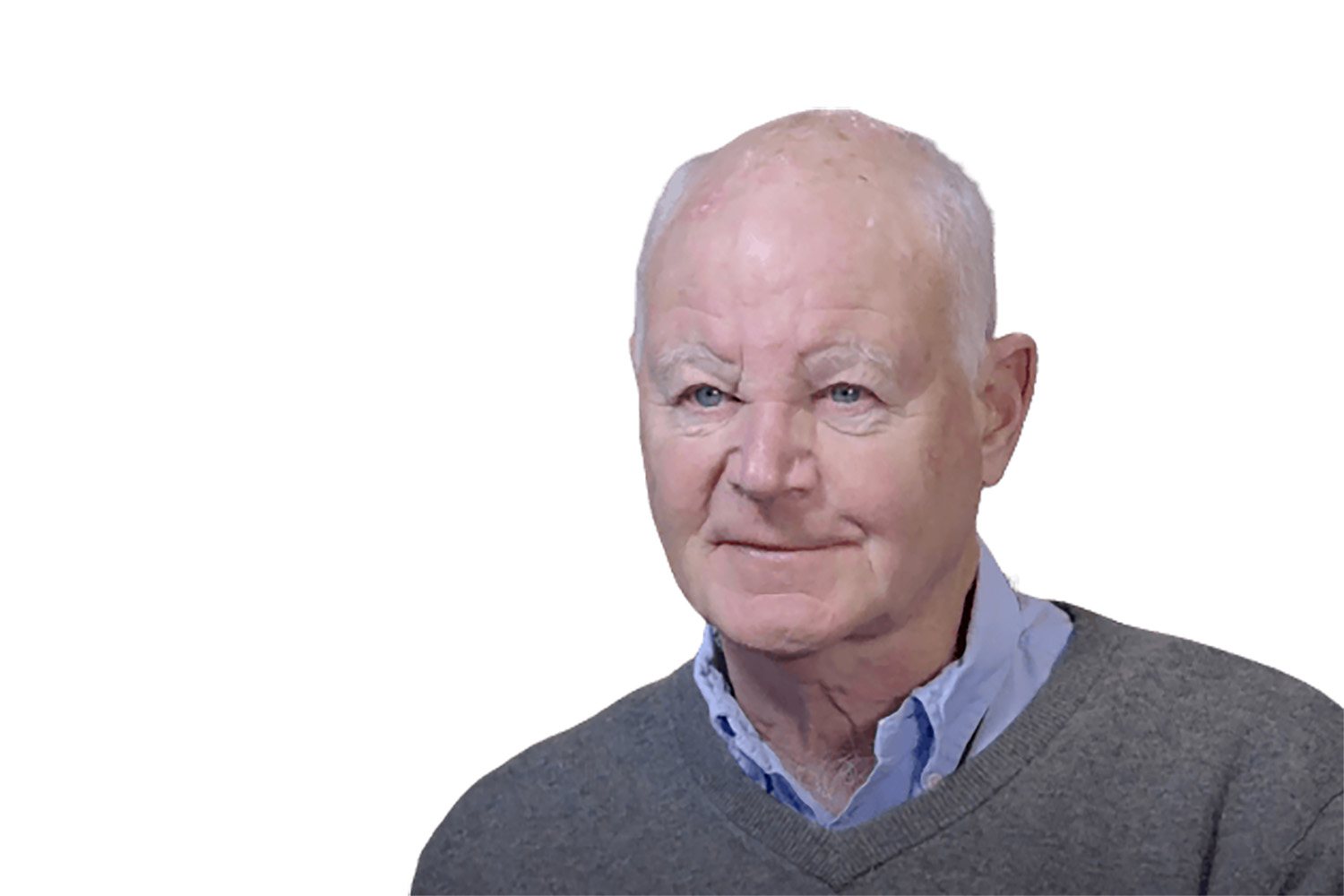
Brian Marcel is a recipient of the Richard R. Dilling Award, presented at the 40th anniversary summit of AIM Global. It is the highest honour in the AIDC industry, recognising lifetime achievements that have driven the industry forward through significant applications and new technology.
Brian founded his company with his late wife, Liz, selling original barcode artwork, known as film masters. The business grew quickly and within five years pioneered the idea of a total track-and-trace solution, covering hardware, software, wireless infrastructure, integration and services. Just after the Berlin Wall fell, Brian founded the International Bar Code Systems (IBCS) Group in Eastern Europe, which became the region's leading enterprise mobility solutions integrator. He has served on the boards of AIM UK and AIM Global for many years, and is an invited member of the AIDC 100, where he sits on the Leadership Council of the industry's most influential leaders. We asked Brian a few questions.
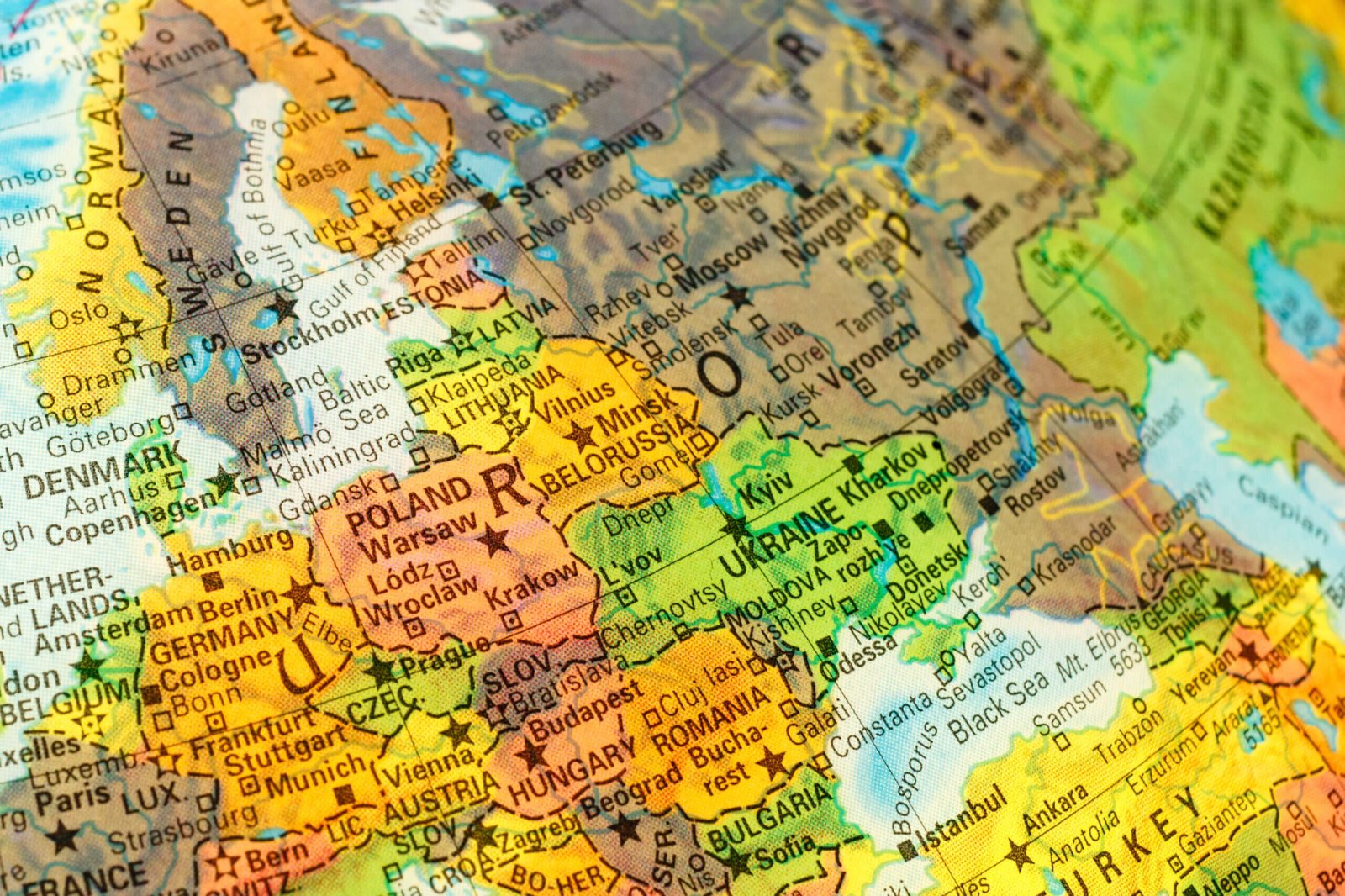
What made you explore the Eastern European market?
Eastern Europe is a very exciting market that a lot of people are scared of. In the early days I couldn't borrow any money from the banks, not even an overdraft, because they didn't understand the market and were frightened of it. I think they still are.
Strangely, I was able to take my profits out of those countries without any problems. The communist and ex-communist governments were happy to deal with the West and let companies take their profits home. Otherwise I couldn't have set up there at all.
What prompted me to go was that my biggest supplier of barcode hardware had its own direct sales force. They wouldn't let me near the big customers because they had them all tied up, which really annoyed me and limited how much revenue we could make.
So I looked for markets where they weren't established, where they'd never even been heard of. I thought Eastern Europe might take off, because Margaret Thatcher, Ronald Reagan and Gorbachev were having a little entente cordiale. Maybe the wall would come down and open up those markets, and sure enough, it did.
Did it feel like a big risk at the time, and how did you navigate it?
I'm a risk-taker, because I'm an entrepreneur, and you can't be one without taking risks. You'll make lots of mistakes and have some huge failures, and you have to allow for them, accept them and manage them. Everybody thought I was totally bonkers. To be fair, it took me seven years to get the money back.
I made profits in the meantime by doing other unusual things out there. I sold banknote counting machines from the States, because the Ukrainian manufacturer had stopped making them and there was huge demand in Russia. Eventually the KGB took that business away, and the manufacturers, realising the potential, started dealing direct.
Then I found a DIY company in England that I could sell domestic cable to, made in Moldova. At the time Russia wasn't a member of the London Metal Exchange, so its copper price, the main component of the cable, was half the LME price. I could buy it cheaply and sell it in England, and I sold containers full of it. Then the factory, where most of the workers were women, went on strike, and 60 of them lay down in front of the train carrying my goods to England. That upset my customer, of course, because I was no longer a reliable supplier, however cheap. Then there was a war in Moldova and the factory roof burned down, causing more delays. Then Russia joined the LME, and that was the end of that.
I also sold typewriter ribbons and carbon paper. That was ironic, because in South Africa I used to sell carbonless copying paper and spent my time selling against carbon paper. But it saved my life in Hungary. Things like that kept me going until companies started buying my barcode solutions, which, as I say, took about seven years.
How do you deal with stress?
I'm not stressed, and I haven't been for a long time.
A lot of people get stressed, especially if things aren't going well and they're running out of money, and I'm not sure there's much you can do about that. But I think you should try to manage stress day to day. I manage deadlines and conflicts, and I try to anticipate what might happen and prepare for it, rather than being taken by surprise.
I also advise people not to make lots of assumptions. Most of the time your assumptions are wrong, so you get stressed for no reason. Pause, and don't overreact or react too soon. Stop, think, then act, based on what you can see rather than what you assume. Don't assume people will respond in a certain way, because they may not. How do you know? It's only your view. I'd rather wait and see.
Be a good listener. Sit down and listen to people. Don't jump in, and don't put your own views forward too quickly.
Stop, think, then act, based on what you can see rather than what you assume.
Brian Marcel
What are the main tools for resilience in business when you face challenges?
You have to believe in yourself and in your idea, because plenty of people will tell you it's a load of rubbish and that you can't do it. Even as your business grows, people will tell you what you can't do. Keep away from naysayers and negative people, and fill your life with positive ones.
Then there are the financial challenges. Watch your cash flow, because cash is king. Everyone should do a cash flow forecast and cash reports, weekly or monthly, whatever suits you. If you don't know your cash figures, you're dead. You can make lots of revenue and even lots of profit, but if you haven't got the money to pay your bills, you're in serious trouble.
What are the keys to planning for success in business?
One thing I should add to the last answer is passion. You must be passionate about what you do, because that strong belief protects you from the naysayers.
I don't think you can run a successful business without a business plan, and I'm staggered by how many businesses don't have one, even successful ones. A plan gives me goals, makes me think about how to reach them, and helps me hold people accountable to deadlines. It's on paper, so I can see where I am and where I'm going.
Otherwise it's all in your head and muddled, and it gets on top of you. The longer a business runs, the more balls you're juggling. How do you keep track of them? The business plan. Within it you'd have a marketing plan, a sales plan, an operational plan and an everything-else plan.
You also need a good managing director with an eye for detail to execute the plan. That's their job. You can be the visionary, or the other way round. Ideally, you need two of you.
What qualities do you look for in the people you work with?
People are crucial. I've written a whole chapter about them. Hire people who are smarter than you, otherwise how do you grow your organisation? You don't know everything, and you probably never will.
You also don't have the skills to do everything in the company, so you need people whose skills complement yours. Then you can share your values with them. Interviewing skills are key, and even my own people sometimes interview badly.
A lot of people decide about someone within 30 seconds of an interview, maybe because of a limp handshake. As a rule, give people at least 30 minutes before you decide, because they'll be nervous. I'd advise anyone to go on a course on interviewing, because I don't think people understand how costly hiring the wrong person is.
Once you have your dream team, you've got to keep them motivated. Keep praising them, give them feedback on how they're doing, give them direction so they're not floundering, measure their performance and give them targets.
Is diversifying something you would advise as a business principle?
I think focus is the business principle, and you can decide what that means for you. Plenty of successful businesses aren't focused, in the sense that they don't put all their eggs in one basket and are very diversified. That's fine if you know what you're doing, and it does hedge against risk.
There's no right or wrong way, because there are successful businesses in both camps. I preferred sticking to anything to do with barcodes, but that was just me. The company I worked for in South Africa stuck to everything to do with paper, albeit lots of different types.
Diversification is hard to define, but as long as you focus on what you do, that's the important thing.
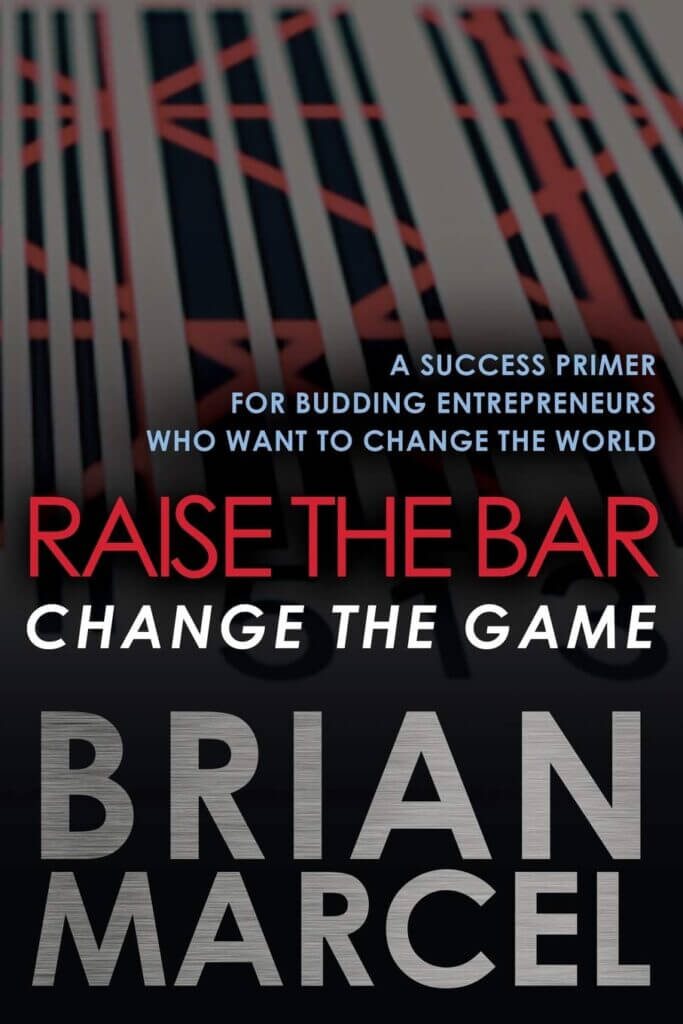
Tell us about your book. Why did you write it, and what does it give people?
It changed a lot from when I started. The catalyst was a trade association in the States made up of the 100 most influential people in our industry. The industry goes back decades, so many of them have passed away, and they wanted me to write my memoirs as part of the industry's history for those who follow.
They badgered me for years and I never did it, because I thought I couldn't remember half of it. I can't remember what I did yesterday, let alone 40 or 50 years ago. Plus, I didn't know how to write a book.
Then I met someone who calls herself the Book Professor, and she persuaded me to take some lessons and taught me how to write it. We worked on it together over two years. It started as a memoir, but she encouraged me to turn it into a life story that helps entrepreneurs set up their own businesses, drawing on my journey, with lots of business tools and plenty of my mistakes and failures.
Most business books are a lot of hot air, all theory and no real-world examples. Everything in mine is practical and based on personal experience, which I think gives it more credibility and makes it more helpful to would-be entrepreneurs.
Values and family come up a lot in your book. How have they helped you overcome challenges?
My late wife was my partner, and she was fabulous. It's important to have women in your business, because they bring a completely different perspective. Her insights were invaluable. She stopped me making a lot of wrong decisions, especially on staff issues.
My brother did, and still does, my accounts, which was very helpful, especially when I was in Europe.
The thing about family is that you can trust them, and as long as they're capable and practical, they're a great addition to a business. I'd always recommend it, although some people can't work with family, and that's understandable.
Tell us something interesting about you.
I do quite a lot of mentoring, and I've mentored lots of young people. I really enjoy it. Many of them happen to be black, not by design, and one of my missions is to help change UK business culture so that companies hire more black talent. I'm working with the Institute of Directors and a team of successful black leaders to look at what we can do about it.
Away from that, I enjoy golf, skiing and especially cycling. I treated myself to a nice new bike, which probably shaves a couple of seconds off. I'm also a local councillor.
What advice would you give anyone reading this?
I don't take myself too seriously, and I don't really care what other people think. That matters in business, because you don't need to be friends with everybody or liked by everyone. It's lovely if you are, and I don't mean you should go out and upset people. But too many people want to be liked, and that doesn't work in business. If you chase being liked, you probably won't earn people's respect. Just be normal and people will like you anyway.
Be yourself. That's my advice.
Where to find Brian
Find out more about Brian and his book, Raise the Bar, at brianmarcel.net.