Nicole Bremner: from property to podcasts
From Wall Street to building more than 120 homes across London, and on to podcasting. Nicole talks about adapting to change, picking one thing, and the power of wintering.

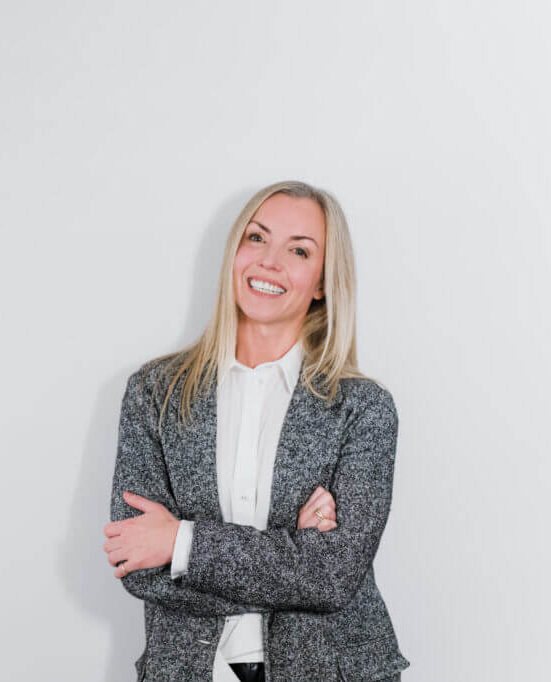
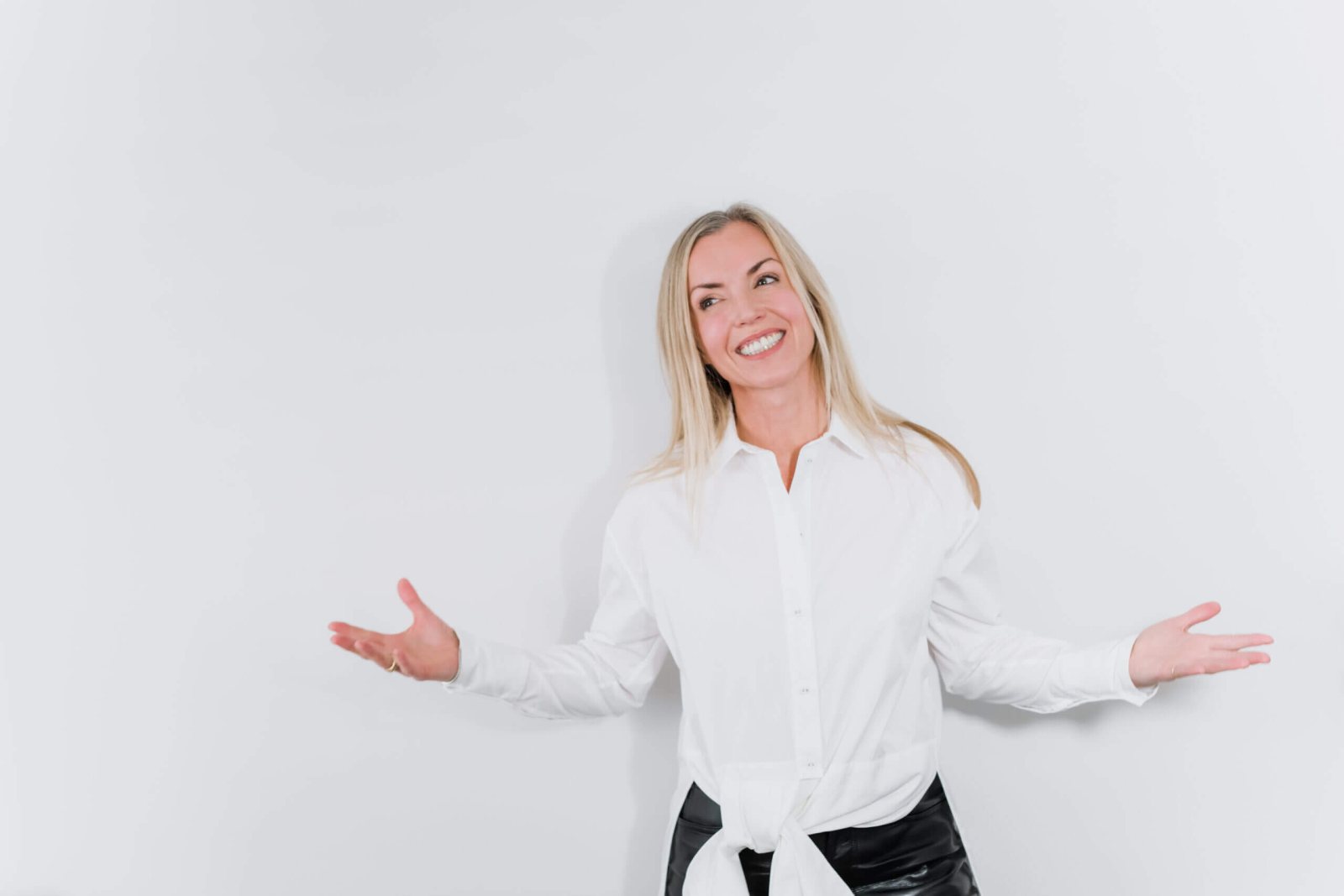
Nicole Bremner is a well-known figure with more than a decade in the property industry. Before that, she spent a decade in investment management, including a stint on Wall Street. She holds a Bachelor of Commerce and a Postgraduate Diploma in financial planning, both from Deakin University in Australia.
After founding East Eight as a boutique house builder, Nicole and her team built more than 120 homes across London. With her all-female team she raised over £6 million through property crowdfunding, setting a record that included £1.624 million in just 17 minutes. East Eight has won a number of awards, including Best Boutique Residential Property Developer at the BUILD awards. We asked Nicole a few questions.
Nicole, what led you on your journey?
Every turn I've made has been influenced by a big change in my life, as it is for most people. The most important came right at the start of my adult life. At 21, I left Australia and followed love to the UK. Australia felt very small and I really wanted to be in a big city, so that was the first step.
I trained as a financial adviser in Australia, but when I came to the UK my qualifications weren't recognised at all. The industry in Australia was also a long way ahead of the UK's, which I'm sure the British among us will agree with.

So my first career iteration was working out what to do next. I moved into banking, and honestly, I wasn't great at it. I'm not an analyst. I'm big picture rather than detail, so that didn't go so well. Then I moved on to a great role at Capital, and from there to Goldman Sachs, which was a really interesting journey.
Just before that last job I had my first child. When he was seven months old, I started work at Goldman Sachs on Wall Street in New York. It was my dream, the dream of anyone who's watched those classic Wall Street films. But it was a letdown, because I started the day Lehman Brothers collapsed. I'd been thinking, “Here I am, basically part-time, only working eight till six with a baby.” I didn't think it would last, and it didn't.
As the saying goes, last in, first out. My partner and I moved back to the UK, and by then I had no idea what I was going to do. Then I found out I was pregnant again. With a second child on the way, we needed a proper home, as we were outgrowing our flat.
That's when we bought a derelict old vicarage in Hackney, and it was the start of my property journey. I spent the next 18 months renovating it, and I loved it. It's financial, because you have to keep track of cash flow. It's highly creative. And there's management, because you're running teams of people working on the house.
This new work-life balance let me be the mother I wanted to be. By then I had three young children, aged three, 18 months and a newborn, and I could go to their Christmas shows, sports days and prize-givings. Having children is what moved me from banking into property, and later events in my life have made me change again.
Creativity matters. It's like the saying, “When life gives you lemons, make lemonade.” That's what I've had to do, and it's what all of us do. We try to make the best of whatever life throws at us. It's never linear.

Do you feel more reactive or proactive?
I think it's both. I've reacted to events in my life, whether small ones in my own family or big ones like the global financial crisis, and then I've had to act on the back of them.
Whenever I do something, I go in believing I can make it the biggest and the best. I run into things and try to take on too much without a solid foundation and support behind me.
It was the same when I started in property. Rather than being content with doing one, selling it, banking the profit and doing another, we just grew and grew. In the end we had more than 110 units, and at its peak the portfolio was worth over £100 million. That was frightening when I stepped back and thought, “The market's not what it used to be.” We had to start selling, because I was scared.
At the same time my marriage broke down, and I felt I'd gone as far as I wanted to in property. I had to ask myself, “What's important now?” and then act on that to make decisions for my family's future.

Your journey sounds very adaptive. Do you think that has been important to your success?
It has, but I'm not sure it's always the best way. It's quite a risky way to live. Some of the most successful people I know, like my friend Daniel Priestley, who runs Dent, have done one thing for close to 20 years and grown it steadily and organically.
My partner, Paul, has been in wealth management for decades. What's interesting is that he says, “I love wealth management and I'm good at it, but it's not my passion. My passion is sailing, and wealth management gives me the lifestyle I want.”
Whereas I've always thought that whatever business I go into is my passion, and I've entwined my work, my personal life and everything else into it. I'm not sure that's right. Perhaps we need some separation between what we do to make money and live a good life, and our passion. Crossing the two over can almost spoil one with the other.
I don't know for sure, but most of the people I admire have stuck with one thing for a very long time, rather than doing what I've done.
What are the keys to success you've learned?
The most successful people I know, like Daniel Priestley, James Collier at Huel and Shaa Wasmund, didn't have first-mover advantage. They picked one micro-niche and stuck at it for a very long time. I think that's it.
If I were giving advice to my younger self or my children, it would be to do one thing. Don't try to do everything. I used to be quite proud of being a “Jill of all trades, master of none”, and it's given me knowledge across a huge range of things. But it means I don't feel I'm really good at one thing. You can be very successful by niching down and being a little more patient. That's key.
Find the one thing you're best at and stick to it. But be prepared for setbacks.
Nicole Bremner
How have you developed resilience?
My marriage started breaking down, then the property market turned, and I realised some of the decisions I'd made probably weren't the best. I was in a bad place, and I was trying to build a new relationship at a very unusual time. What helped me was retreating into myself and going back to basics.
The author Katherine May writes about wintering, and it was my lovely friend and Pilates instructor, Andy, who told me about her book. She said, “I think you really need to read this.” I'll be honest, I couldn't get past the first chapter because it was too raw at the time, but I got the idea, and when I went back to it later it really resonated.
The idea is this. When you go through a difficult time, it's your winter. Like animals and trees, you go into your den, make yourself cosy and look after yourself. Make sure you're well and nourished, and that your basic needs are met.
For me it was about getting back to those basics and asking, “What do you really need right now?” The answers were: your family, so get that little core right. And far fewer friends than you thought. A lot of the people you thought were friends are really just associates.
Once your family, your close friends and your basic needs are looked after, you can start to move past it. When you're strong enough, you add things back in. When I felt ready, I asked myself, “What's the one thing that will give me a sense of purpose and achievement?” For me, it was my podcast.
I'd been running my podcast for a few years, but it needed a relaunch and a breath of fresh air. I focused on that for months, and it was so nourishing and rewarding because I could put everything into one thing and know I was doing it well. That's unusual for me, because I don't normally do just one thing.
What changes have you seen in your industry?
Property has seen huge changes, with tax changes and the Brexit referendum among them, and the repercussions have been immense. Markets move in ways nobody predicts, and I've certainly got house prices and supply and demand wrong before.
You have to be nimble. That's really the word for it. You can see it in my partner's company, which has been going for decades and has had to keep adapting. Look at law: who would have thought you could sign so many important legal documents electronically? We've all had to adapt and become much more efficient in how we do things.
It's the same with content. So many people are creating it now that there aren't enough people consuming it, and engagement drops because everyone is out there creating. The people who moved early to platforms like TikTok benefited, because that's where attention went. The key is sticking to your core values and purpose while being flexible about how you deliver them, whether that's video calls instead of meetings in person or e-signatures instead of wet signatures.
Has your business gone fully digital, or do you work in a hybrid way?
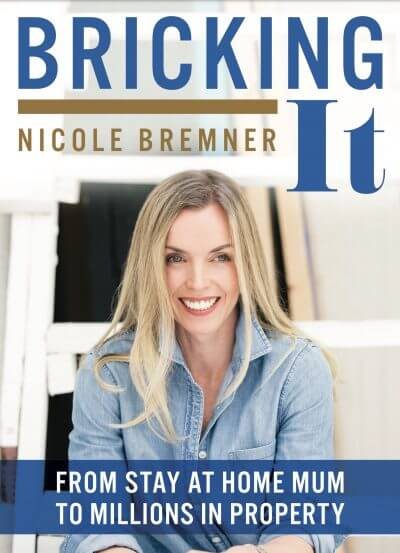
I'm all digital, really. In property I was one of a handful of early influencers, because my world was already very digital. I rarely have in-person meetings now. Even with my book, there was the question of whether it should be a physical book or just an ebook. Some people like to hold a book in their hands, while others like to read on the go.
My business is very digital. I use Asana for my consultancy, and I love project management platforms because I've got three team members in the Philippines and three in the UK. It means we can manage all our projects in one place. We have weekly catch-up calls on WhatsApp, and everything else goes through Asana. It's very efficient.
I used to be poor at in-person marketing meetings. I'd arrive disorganised, my team would ask what we were doing, and I wouldn't know because I hadn't had time to think about it. When it's all written in front of you in Asana, Slack, Trello or Monday, whichever you like, it's so straightforward. I really embrace digital tools, and I'm always excited about every new update an app brings out.
Tell us something interesting about you.
My partner and I have eight children between us and three dogs, so Christmas is a real challenge, especially for Paul, who has grandchildren too. It makes life very interesting. When we're networking and trying to stand out, I often introduce Paul as a father of eight and a grandfather, and everyone starts doing the maths and looks shocked.
What advice would you give anyone reading this?
Figure out what really works for you. Just that one thing. There's a line I love: “What's the one thing you're best at in the world?” It doesn't matter if you're not the best in the world. Find the thing you are best at and stick to it. But be prepared for setbacks and failures. If the thing you're brilliant at is the right thing, it will find its place.
- Pick the one thing you're best at.
- Focus on it, but stay flexible.
- Expect setbacks. Winter, then dust yourself off, rebound and go again.
Where to find Nicole
Find out more at nicolebremner.com or email Nicole at nicole@east-eight.com.