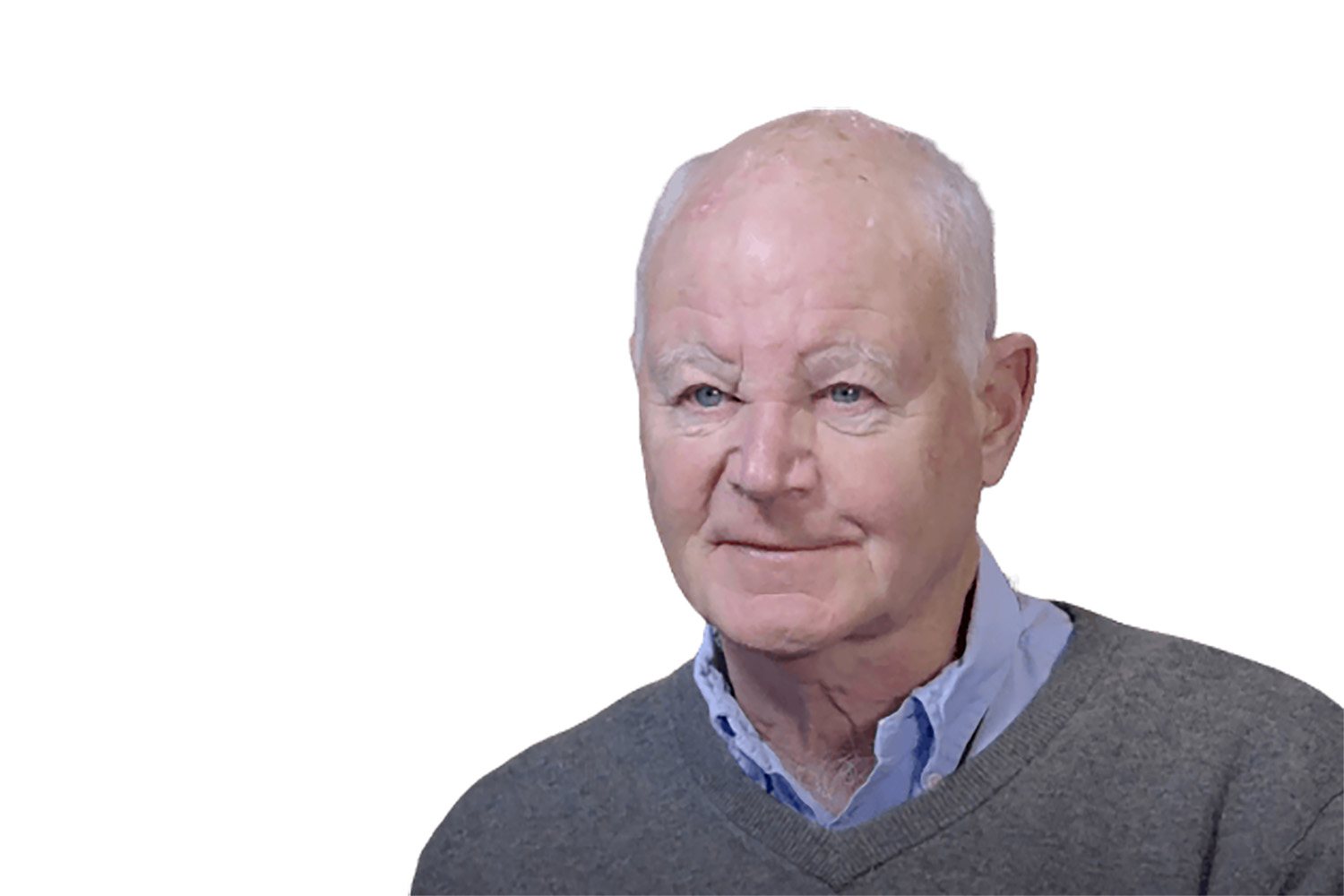
Steve Judge on resilience
From a car crash at 28 to two-time world paratriathlon champion. Steve talks about the eight stages of resilience, the power of visualisation and why every journey starts with a quarter turn.
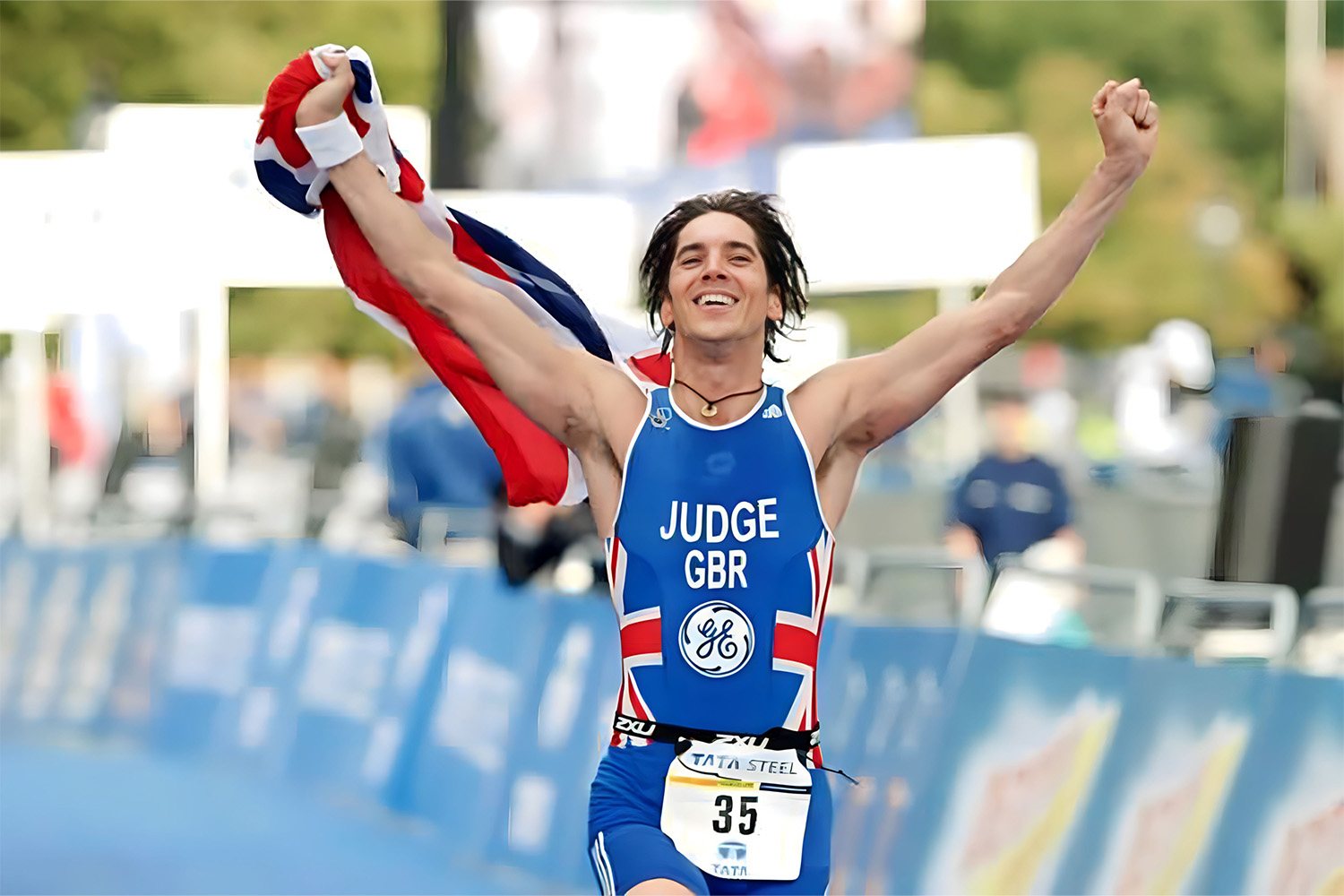
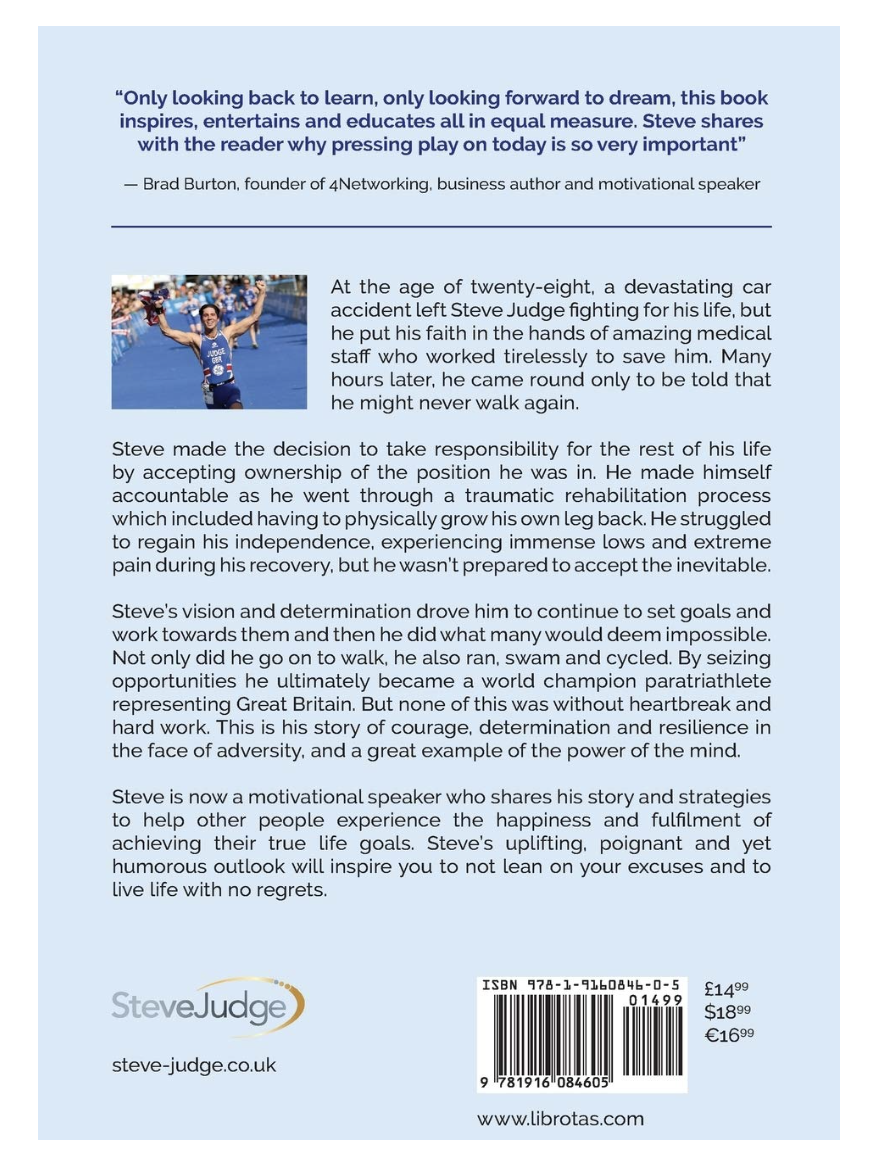
At 28, a devastating car accident left Steve Judge fighting for his life. After life-saving operations, he was told he might never walk again. Rather than lean on excuses, he set goals and turned each excuse into a challenge, learning to stand and then to walk again. His journey took him from a wheelchair to becoming a two-time world champion in paratriathlon.
Today Steve is a professional speaker, author and resilience coach. He shares his story to help people move confidently towards their dreams, what he calls their GOLD, and build the life they have imagined. We asked him a few questions.
Steve, what does resilience mean to you?
Resilience is such a big thing. The great thing is that I can talk from experience, from my car accident and from the challenges that have come since. I think the big question is, what is resilience? People give different versions of it, and my quick version is: get knocked down six times, pick yourself up seven. It's along those lines. You keep going and going.
Get knocked down six times, pick yourself up seven.
Steve Judge
Then the next question is, how do you grow your resilience? How can you get better and stronger at it? That's something I looked into because I'd been through it. I had to get it out of my head and onto paper so I could share it with others. I really want to help people, and you can't just say, “You've just got to pick yourself up,” or “pull yourself together.” That doesn't work. So I worked out what I did throughout my journey, and that's when I came up with the idea of the wave of resilience. If you ride the wave correctly, you can end up in a better place than you were before.
The wave of resilience can be broken down into eight stages.

1. Shock
Some sort of adversity, change or traumatic event happens to you. It triggers cortisol and sends you into fight or flight mode.
2. Denial
Everyone goes through this, and it's OK. Your testosterone kicks in as you try to get used to a major change in your life.
3. Anger
Don't try to say you don't get angry or don't need to share, because you do. Your testosterone is pumping around your body, so it's about admitting that and letting it out: the punch bag, a pillow fight, or screaming out in the wilderness.
4. Sharing
To help with the anger and the emotion you're going through, you need to release oxytocin. Do something to get it out and share it with someone: drawing, writing, music, a film, poetry. Anything, just don't keep it in.
5. Rock bottom
After the first four stages, you're going to hit rock bottom. It's horrible, but there's nothing you can do about it. Your chemicals are all mixed up, causing confusion. How long you stay there depends on the event itself and on what you did before it: how you dealt with the anger and how you shared. After that comes the good stuff, so hang in there.
6. Acceptance
After rock bottom comes acceptance. That's where serotonin kicks in and helps you see clearly where you're going. You accept the situation, and that lifts you a little.
7. Action
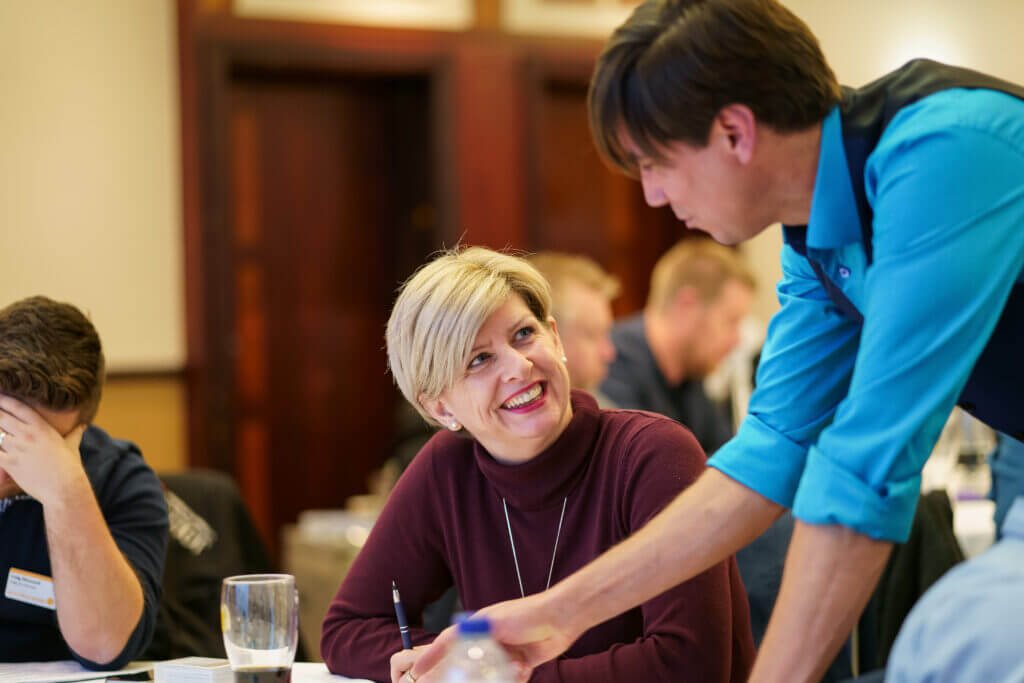
Next comes taking action, and I love this. I'm all about doing rather than just talking. When you take action you feel good about it, dopamine is released, and then you do more and more. You climb the wave of resilience and end up higher than where you started.
8. Moving forward
Adversity can be a good thing, as long as you ride the wave correctly. It's about knowing what's going on, how to control it and how you can end up higher. If everything is going smoothly, maybe you should push yourself out of your comfort zone so you're using your resilience more. Trust me, you get better and better at it. If you want to keep getting higher in life, you're going to go down and up, down and up. If you just flatline, as I call it, you go nowhere. You've got to push yourself and build that resilience up.
You have overcome so much to get where you are. Can you explain about goals?
You've got to find out what makes you go. What's your passion, what's your goal? Or as I call it, what's your GOLD? GOLD stands for your Goal, your Opportunity, your Love and your Desire: your dream. What gets you out of bed in the morning? Find out what that is and spend a lot of time on it. That's what will motivate you, even on the dark days when you're wondering why you're putting in all these hours. Mine is inspiring people to achieve their true life goals. Yours can be anything: academic, sport, physical work, money, family, love. Everybody's different, but once you find it, it will motivate you.
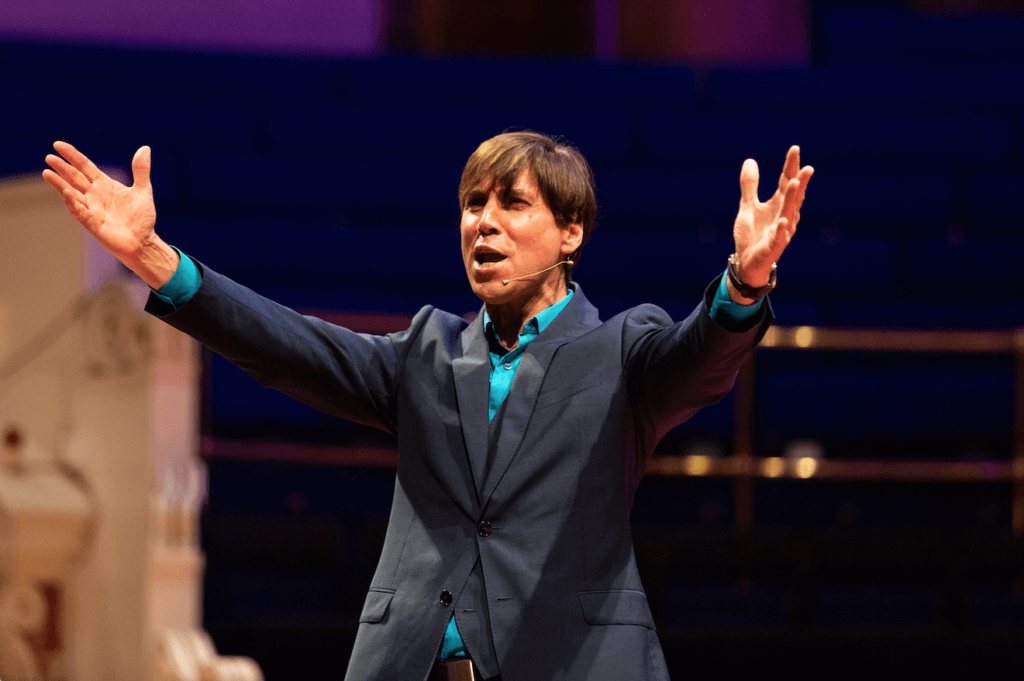
Finding it is something we do in workshops. I'm a visual person, so I draw pictures. In hospital I drew a picture of what I wanted: to walk again. As an elite athlete I drew a picture of becoming a world champion, and I worked towards it. As a business owner I drew myself on a big stage, with the bright lights, the head mic and all of that malarkey. Now I've got a different picture: me as a global speaker, helping to inspire and motivate people. I don't even think about how I'm going to get there yet. You start with the fun part: what do you want?
Then you get serious and think, “How am I going to get there?” You won't have all the answers, but your brain is already working and looking for opportunities. You're networking, planting seeds and taking action every day, and before you know it you're ticking things off your list.
Can you explain more about the visualisation you use?
Visualisation is a technique I started using as an elite athlete. My goal was a gold medal, but as my career went on I realised I was putting too much pressure on myself on race day. There's nothing wrong with having that goal in training, but on the day my visualisation was simply to be the best I could be and do nothing wrong. Triathlon is a complicated sport, so the aim was not to make any mistakes. About two hours before a race I'd close my eyes, maybe in a park, do some tai chi, yoga and stretches, and put some music on.
Then I'd visualise the whole race, perfectly and in as much detail as I could. Sinking into the water, feeling it in my wetsuit, setting my goggles, hearing the horn and going for it, with the excitement and the nerves too. On this swim I wouldn't get kicked or punched, and my goggles wouldn't leak. I'd come out buzzing, get on the bike and whizz off, the wind through my hair, taking every corner perfectly. No skids, no punctures, no chain coming off. Onto the run, trainers on, not getting lost. Then I'd cross the finish line and punch the air, and that's when I'd open my eyes. What a rush. It took about twenty minutes. I'd walk down to the start line with a massive smile on my face, and the other athletes would ask, “What are you smiling about, Steve?” I'd say, “I've just done the race and it was awesome!” They thought I'd lost it, but because I was so confident and happy, it almost gave me an advantage.
I still use it. Every morning I follow a golden routine of reading, journaling, stretches, exercise and words of affirmation, and I visualise. I sit on the floor for five or ten minutes and picture what I want in my business, whether that's a workshop or a one-to-one session helping somebody. I usually open my eyes smiling because I've landed on something I'm really happy about. Then I think, “Right, that's what I'm working towards today,” and off I go.
Can you give us some clues on overcoming adversity?
To overcome adversity, you've got to admit it's going to be challenging and that there will be down times. But you've also got to know that acceptance will come. Work towards it, and notice when it arrives, because that's your time to shine. You've been through the anger, the sharing and rock bottom, but acceptance and then action, actually doing something about it, are what really matter. If people talk and talk but don't do anything, a year later they'll be in the same position. You have the power to make a change, and you decide when you're ready.
Everybody's different. When I talk about adversity I talk about myself, and I don't want anyone to compare themselves to me. What I'm saying is, “This is what I did,” and if people can take something from it, that's great.
What are your next goals?
I wrote my next goals down for my coach and there were about 22 of them. He said, “22! All you need is four or five!” I was just brainstorming to get them out of my head. But some stand out. I want to speak more, and speak globally. I want to speak in Japan, which plays a very special part in my story. I want a play made of my journey to take to the Edinburgh Fringe, and a film too. I'm also writing a business book about the five strategies you need to become an achiever and succeed at whatever you want to do.
In scouting I've got big goals. I want to create an online platform where young people can start working out what their goal is, however young they are. It's just a picture and a bit of fun, but it can help you work out what you want to do. I want to do the same for businesses and for charities, almost giving something away for free. I want to speak to large audiences of scouts, at regional and national events and eventually at the World Scout Jamboree, which brings together 60,000 scouts every four years. That's a good audience, and that's where I want to be. I want to be known as a fire-starter, helping people find what ignites their fire so they can go even further.
So there's loads I want to do. Bringing it back to reality, I keep my head above water day to day and work towards all these big dreams at the same time. It's exciting.

Tell us something interesting about you.
A student I sat with at lunch during a school visit once said, “Oh, I thought you were a stand-up comedian!” I said, “That's good!” I actually watch stand-up comedians as homework to get better as a speaker. I'm in the entertainment business. I'm a professional, motivational speaker, but if you don't put the humour in, people switch off. An audience remembers the last time they laughed and the last time they cried, so you've got to put both into your talk, the highs and the lows. Knowing how to do that is what comedians are brilliant at. Watching someone like Michael McIntyre, and blending the funnier moments with the lower parts of my journey, keeps the audience gripped and entertained.
Like comedians, I carry a black book everywhere so I can write down anything funny that happens. One of my goals is a five-minute stand-up gig. I hesitate, because I don't really want to do it, but I've got to push myself out of my comfort zone. I'm not a stand-up comedian, but humour is part of my job.
What advice would you give anyone reading this?
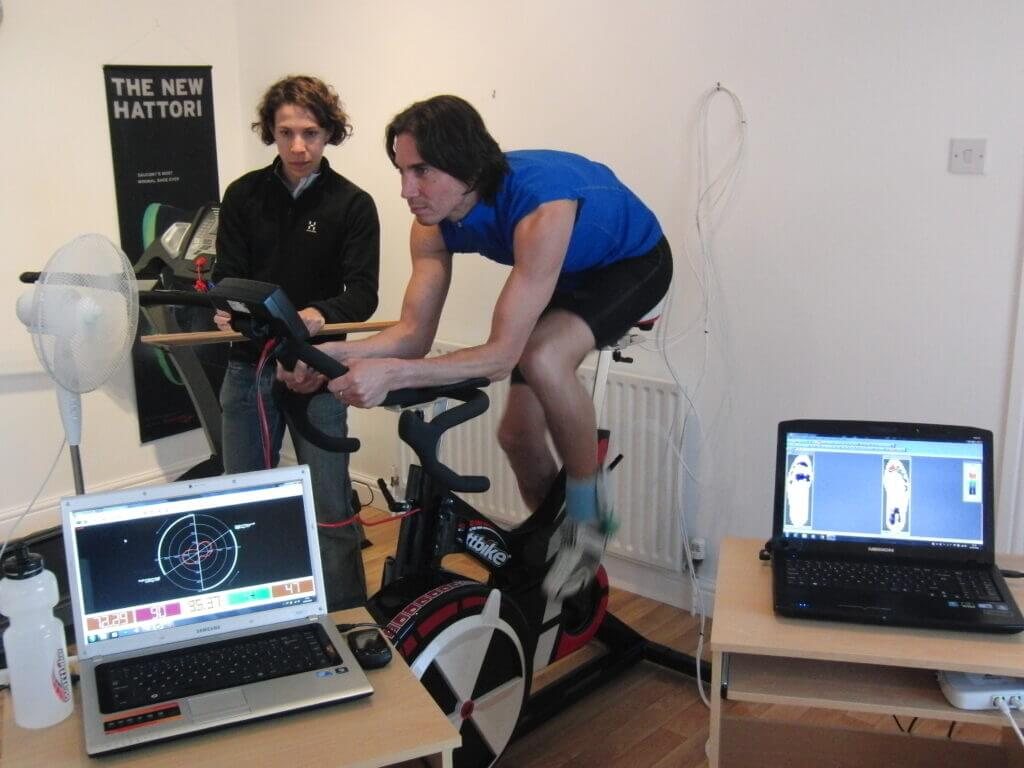
A student once asked me how you get started on your journey, and I thought about how mine started. When I first began growing my leg back after the accident, I had to twist bolts to lengthen it. Not a full turn, just a quarter of a turn, a quarter of a millimetre at a time, four times a day. Eventually I reached ten centimetres, which is how much bone I had to grow back. Then I managed to stand again. Then to walk again, step by step: one metre, two, five, ten. Amazingly, I was able to start running again, so now we're talking kilometres. Eventually I was swimming, cycling and running 5k at world championships, and I became a world champion.
So how do you start? Step by step. Just do something, even if it's a quarter of a millimetre. You never know where the journey will take you.
Where to find Steve
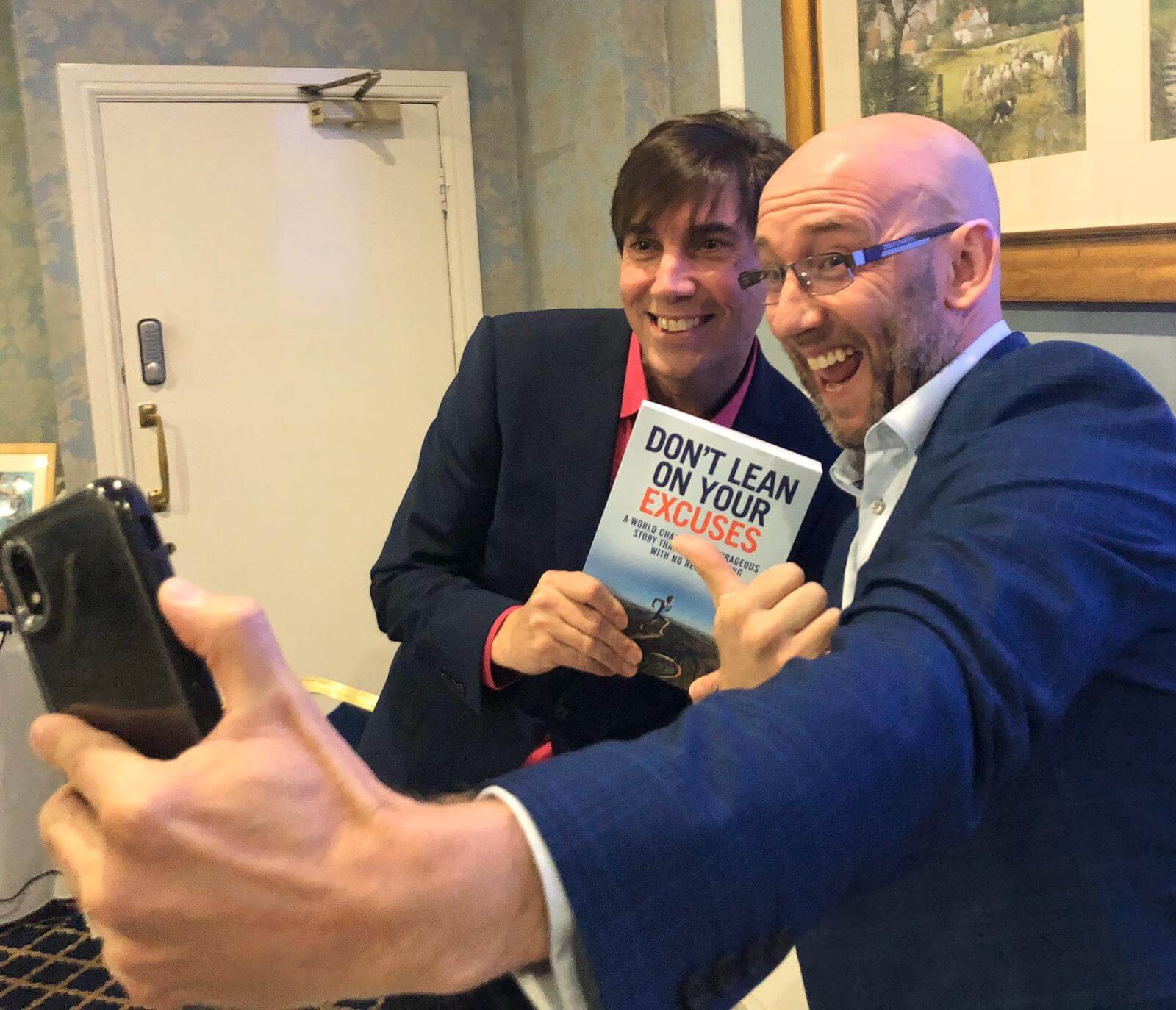
Find out more about Steve, his talks and his book at steve-judge.co.uk.